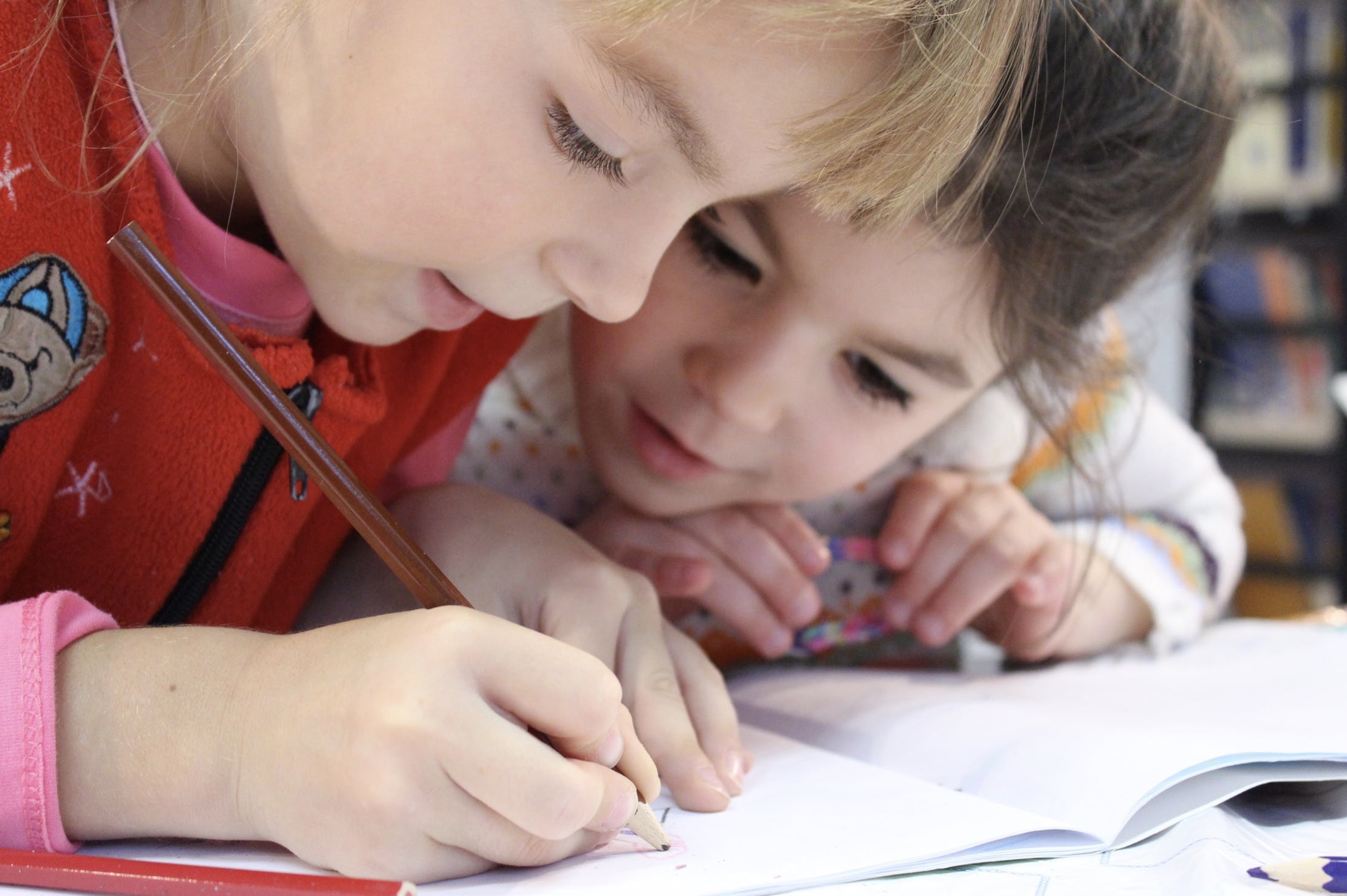
What is Imaginative Play and how to encourage it?

From the moment they are born, children are experiencing all kinds of situations that life throws at them. This is a lot of information for them to process and they have to find a way to absorb it and learn how to understand it. This is where imaginative play comes in.

What exactly is Imaginative Play?
In short, Imaginative Play allows children to use role play to act out a situation they have experienced, watched or something they have gained an interest in.

Children can pick up social skills and learn how to interact with people, through the way they talk, listen, use expression and body language. They can also learn how to problem solve. Imaginative Play encourages emotional development and helps them to understand and express the way they are feeling whilst also discovering how to handle strong emotions such as anger or sadness. Most importantly, Imaginative Play allows them to have fun and unwind from everything else whilst still learning.

How exactly do we as parents encourage Imaginative Play?

Provide an area dedicated to imaginative play
Having a place in the house or garden that is dedicated to role play helps them to imagine whatever situation they would like to act out that day. This could be under a table, in a wardrobe, on the sofa under a sheet or even a corner of the house where they have everything.

By having this dedicated area, you are enabling them to let their imagination run free because they know they can adapt the space to their hearts content.
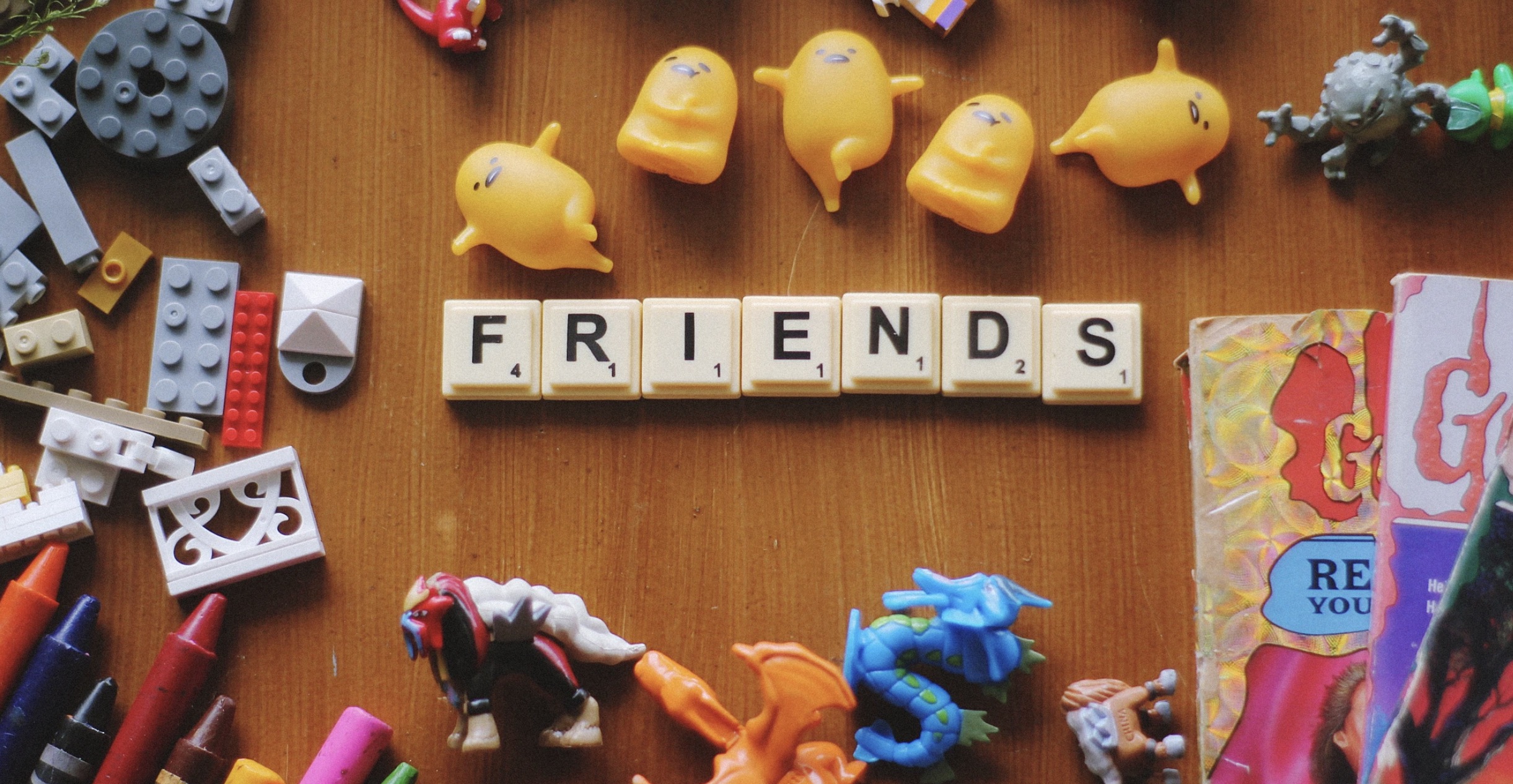

Props and Toys
This can vary for every child, some may just like something as a simple as a cardboard box and create hours of fun by turning it into a car, a house and everything in between. Whereas some children may prefer something more specific.

This doesn’t mean you have to spend on multiple sets of items, a lot of the time children will be satisfied by things you have at home and you can encourage them to use those props as substitutes for others. This helps to expand the range of situations they can create and broaden their imagination.


Dress up Box
On top of having multiple props and toys for children to access and use, a dress up box can become an essential part of them recreating experiences or trying something new.

Having a selection of different outfits allows them to really become the character that they desire to be. They also can spark imagination because one dress could be used in countless imaginative stories.
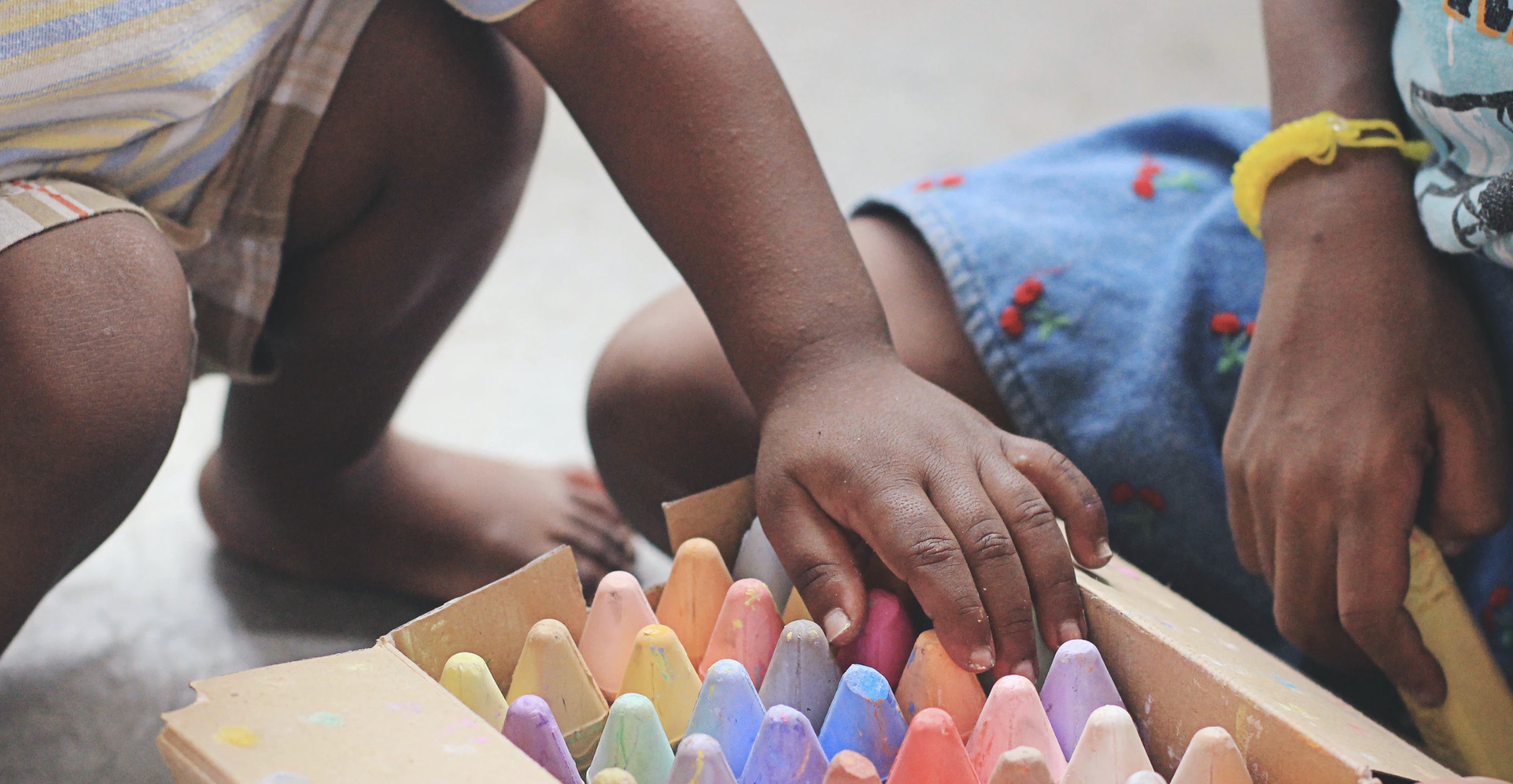

Someone to play with
Children enjoy Imaginative Play more if they have someone else to do it with. Whether it be a sibling or a friend, they can really recreate a variety of experiences if they aren’t alone and take it turns to choose what happens in each situation.

It’s important to remember as a parent you should also spend time helping your child with imaginative play. If they try to involve you play along, give them a chance to be in charge.


Provide Experiences
Most of the scenario’s children use when doing imaginative play are ones they have witnessed or heard about as it adds the level of reality to their imagination.
Ensure they have these experiences to act upon. This could include reading stories together which would help both their creative and academic development. Or take them for days out to the zoo for example, which will help to use their different senses.
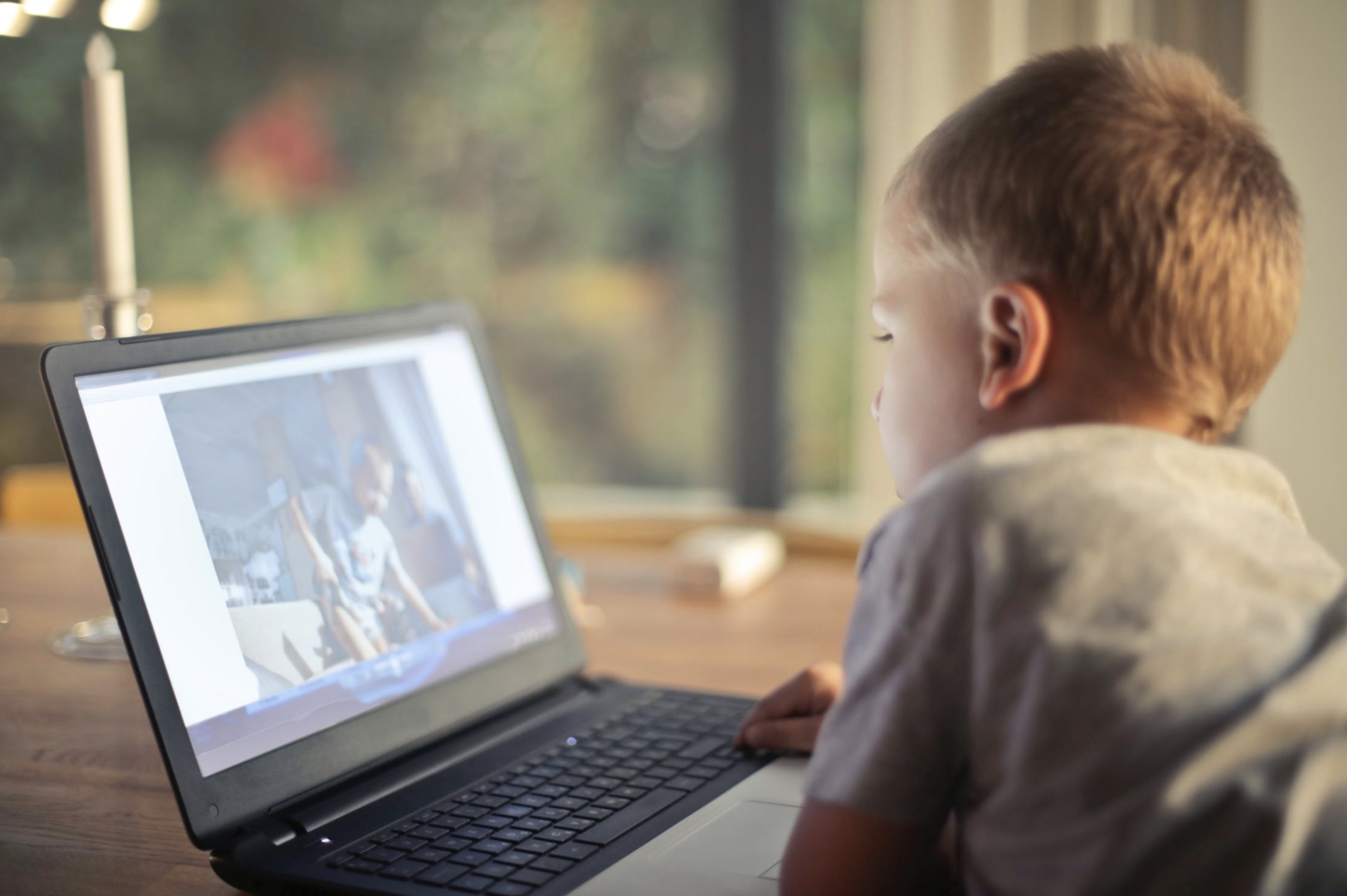
Online Safety for Children

In today’s digital world, children are being exposed to the internet from a younger age than ever before. From toys that connect to the internet to games on tablets, young children are getting online. Apps, games and search engines are easily accessible to children who go online to play, connect with friends, make new ones and socialise. The internet allows for children to find out information quickly and easily, but it also comes with its dangers. Innocent searches can bring up not so innocent results. However, there are lots of things you can do to keep your children shielded and prevent them finding upsetting or inappropriate sites online, as well as educating them on how to be safe when using the internet.


Set Parental Controls

On most devices, apps and websites, parental controls can be easily set. Software and tools can be downloaded to help prevent your children accessing sites they shouldn’t and downloading apps that aren’t age appropriate. Safe search settings can also be activated on search engines and easily removed if needed.

Parental controls allow you to block and filter content that your children can see, whilst also monitoring how long your children can stay online, enabling you to set specific times they can access the internet. Whether younger children or 12-year olds, parental controls can be set differently for different members of the family. Family-friendly WIFI is also available to set up, as well as kids accounts on many popular apps and streaming services.


Talk to Your Child

With older children, one of the best things to do is talk to them about online safety. Topics could include:

  • Setting boundaries and agreeing on what’s appropriate
  • Going through a list of the websites / apps they use and ask what they find appropriate
  • Even if their friends use an app you’re not sure of, discuss and tell them why you don’t want them using it
  • Ask about things they might have seen that made them uncomfortable, what and why?
  • Discuss online bullying and trolling and how it not only affects children, but adults too
  • Show your child how to block and report people online to remove bad content
  • Encourage your child to come and talk to you if they see anything that upsets or confuses them

Privacy Settings

A big issue with child online safety is privacy, and how to keep their details private. Even Internet Toys with voice recognition and home devices connected to the internet can gather the vocal information of even a very young child. Internet Toys have no safeguards or security standards, so it is always important to read manuals thoroughly to help make them the safest they can be.
With older children, teaching them how to keep their personal details safe and knowing what’s okay and what isn’t to share online is important. A lot of children use the internet to connect with friends and make new ones, however this isn’t without its dangers. Teaching children to always be careful when talking to strangers online and not revealing too much information about themselves, along with ensuring they never meet someone in person without coming to you first, can help protect your child from some of the darker parts of the internet.


5 Ways to Keep Gaming Safe

With children of school age, online gaming is one of the most popular hobbies of the age group. Online gaming is a common way children (especially boys) socialise. However, gaming can have some very detrimental side effects. Below are 5 ways to keep your child safe whilst gaming online:

  • Check the content and age rating of the game to ensure it’s appropriate
  • Make sure your child knows how to block and report other gamers if necessary
  • Ensure no personal information can be viewed by other users
  • Check the games safety and privacy settings before letting your child play
  • Limit the amount of time your child can play – video games can be addictive, especially to young children who could be easily influenced by the violent nature of some games

As technology continues to develop, children will use the internet more often and from a younger age. The dangers will always be there, but there is a lot you can do to ensure your children gain the most of the internet and use it in a safe and secure way.

Buying Your Baby’s First Shoes

Buying your baby’s first shoes is an important milestone in their growth. From the ages of around 9 – 18 months, baby’s start to learn to walk. Little feet need proper support and shoes made out of good quality materials to ensure they are continuing to develop in a safe way. Learn here how to get the most out of your baby’s first shoes, to soon have your child running all over the place.


The Right Type

Don’t rush into buying shoes for your baby too soon. Before they start to walk, children first learn to crawl or ‘cruise’, moving around holding on to furniture etc. At this stage, proper shoes aren’t necessary, but to protect delicate feet, investing in a pair of pre-walkers is a good idea. These shoes are lightweight, with a thin flexible sole that will keep little feet safe from injury but will still allow children to develop their walking skills, such as keeping themselves balanced.
Once your toddler is walking unaided, they need more support and first walker shoes are the next best step.


The Right Fit

Getting the correct fit for your child’s first shoes is very important – we all know the pain of wearing shoes that rub. Due to nerve endings that aren’t fully developed, toddlers might not be able to feel if shoes don’t fit properly or communicate that they are hurting. The best shoes to go for are ones with flexible soles and a breathable fabric, such as soft leather. The right material will mould to your child’s feet, shaping to a unique footprint and ensuring they allow room for bones to grow.

It is a good idea to go shoe shopping in the afternoon, as children’s feet swell throughout the day after they have been using them for a couple of hours. Children’s feet grow quickly, so have your child’s feet measured every 6 – 8 weeks.


Which Fastener?

With lots of fasteners to choose from, it is best to go for a type that is quick and easy to secure. Velcro or buckles are quick and easy to fasten, and don’t have a trip hazard like long laces might. Laces are better suited to older children, but if your toddler likes to kick their shoes off, laces are more secure. Try out different types and see what works best for you and your child.


Issues

As toddler’s feet change quickly, it is important to regularly check that their shoes still fit. Press down on the front of their shoes and see how much space there is between their big toe and the front of the shoe. It is recommended that there should be a half an inch gap. Look out for bad posture or nail problems which mean it is time for your child to move up a size. Up until the age of four, your child’s feet can grow up to two sizes per year, slowing down to one size before they start school.

Buying your baby’s first shoes is an exciting stage in your child’s development, so have fun choosing the right fit, style, size and colour and enjoy the time with your active toddler!

For more information on buying your baby’s first shoes or for any other queries, contact us on 0114 258 2283 or visit or Facebook page.

Cooking and Baking with Children

Both an activity perfect for a rainy weekend and to help aid children’s development, cooking and baking with your children is full of benefits. Cooking can help develop your child’s maths and coordination skills, whilst also encouraging adventurous eating. By giving your children an active role in choosing what to make, preparing and cooking simple meals, you introduce them to new ingredients and a wider variety of food. By cooking with your children, they can explore unknown tastes, smells and textures, widening their pallet to stop the development of picky eaters!

Preparation

There’s no denying the fact that cooking with little ones is going to be messy! Before you open your kitchen to mayhem, get organised.

  • It’s a good idea to cover up everything – tables, clothes, recipe books – perhaps in old newspapers or plastic that is easy to wipe down and clear up.
  • Use large mixing bowls to prevent ingredients spilling over.
  • Give yourself double the time needed to make your food / cakes.
  • Get plastic knives and safety scissors so your children can join in safely with activities such as cutting pastry or soft ingredients.

Get Children Involved

While cooking, talk to your children about the ingredients you are using. Talk about where the ingredients are from, what they do and what the recipe might turn out like. The more familiar with the ingredients and the more involved with the process children are, the more likely they are to eat what they are helping to make. As well as learning about ingredients, lots of other learning can come from cooking. Maths skills can be improved through cooking, from reading the numbers in the recipe and on the scales. It can also start to give your children a grasp of weight and measurements, and if baking, decorating cakes can increase coordination and creativity.

Cooking and baking with children can also help them learn about kitchen safety, such as not to touch hot hobs or ovens, and introducing them how to prepare food in a safe and sanitary way. With older children, allow them to get things out of the oven, giving them a responsibility whilst showing them the importance of items such as oven gloves.

Some Ideas

When cooking or baking with children, it’s a good idea to go for recipes that aren’t too complicated or time consuming. When cooking why not try:

  • Fajitas – these are quick and easy to make, and once all ingredients are prepared, let your children make their own, putting their own choices into a wrap.
  • Make your own pizza – the healthy alternative to buying one from the shop. Why not try letting your little ones add their own toppings, getting them involved with the process, or make a base out of wholemeal flour.

Baking ideas:

  • Fairy Cakes – simple cupcakes that are quick and easy and are fun to decorate, allowing your children can get creative.
  • Cornflake Cakes
  • Gingerbread Men – easy to make and decorate, increasing children’s coordination.

For more information contact us on 0114 258 2283 or visit our Facebook page.

Getting Children Ready to Start School

You’ve got your child’s primary school place sorted, all the forms are filled, and now it’s time to get your child ready. When getting your child ready to start ‘big school’, academic preparation is less important than developing social skills and emotional competence – your child will have years of academic lessons ahead of them. If you follow a routine and help make your child feel more comfortable about starting school, when the time comes for them to put on their uniform, the process will be easier for everyone. There are a few tips and tricks you can follow to help get your children ready for school.


Encourage Independence

When children start in Reception, they are expected to know the basics of looking after themselves. Before the term begins, encourage your child to dress themselves, fastening zips and buttons, and practicing taking their coats off and on. Also, start to teach your children how to correctly eat with a knife, fork and spoon, and enforce table manners and the etiquette of eating with others as they will be doing during lunchtime at school.

Ensuring your child can go to the toilet themselves is another important skill for your child to have. Teach them about the toilets they should use, and practicalities such as locking toilet doors. All infants are bound to have accidents during their first months at school but help them feel more confident about using the bathroom on their own, creating one less thing for them to feel nervous about.


Develop Speaking and Listening Skills

As much as concentration skills are taught and developed over the first years of education, it is important to get your children used to speaking and listening and having those vital communication skills. Encourage discussions at home, perhaps over dinner, letting everyone speak their turn without being interrupted. Practice such as this will help get your child ready to actively listen to their teacher and their peers, a transferable skill that is vital throughout their lives.


Enable Socialising Spaces

If your child has been to pre-school or nursery, they will already have begun to develop their socialising skills, having previously formed friendships in their early years. Continue encouraging them to do so, by visiting playgroups and other social activities. If your child hasn’t been to a nursery, don’t worry as there are lots of playgroups around that can get your child used to being with people of their own age.

Along with this, it is important to encourage your child to play nicely, by sharing and listening to each other. If your child has siblings encourage sharing between them, helping them get prepared for the sharing and group environment of primary school.


Teach Them to Recognise their Name

One of the first things children are taught in school is to read and write their own name. Don’t worry if your child can’t write it before they start school, but it is helpful if they have an understanding of the word and can spell it out loud – it might prevent jumpers getting lost in a locker room!


Stay Positive

Help remove your child’s fear of the unknown by talking about school in a positive way. Children may soon pick up on your attitude and become exited and possibly less apprehensive about starting something new. With this, encourage positive behaviour by rewarding your child when they do something they should do in school, such as taking turns or following rules. Through positive reinforcement, children can pick up good habits that will put them on the right path for succeeding in school.


Establish a Routine

Start your school day routines a couple of weeks before school starts to get your children ready for the transition. Start getting your child used to a sleeping pattern and getting up and dressed early in the morning. Establishing a routine prior to term starting will get everyone used to the timings of the day, whilst also ensuring your child will be getting enough sleep so they can be at their most productive during school hours.

It is also important to help your children understand that school will be something they go to every week, Monday – Friday. All schools start their new students on different timetables, some schools run half-days for the first term, while others have children with summer birthdays starting a few weeks later. Whatever your school does, getting your child used to a routine and being away from you for the day will make starting at school a whole lot easier.

Starting school is a daunting and nerve-wracking time for both children (and parents!), but if you help get your child ready to take this milestone next step, they are sure to fall into a school routine happily.
For more information on getting your children ready to start school, feel free to call us on 0114 258 2283 or email manager@scallywags-nursery.com .