Healthy Eating: What do children need?

What children eat in the early years of their life can determine their health in their adult life. They need to be encouraged to eat healthy.

If you need some ideas of what’s healthy eating for children, keep reading!


Fats

We immediately associate fat aliments with unhealthy food, but that is simply not true. Nuts, seeds, or some fruits -like avocado- are high in fat but also in nutrients, which makes them a great food in small quantities, with moderation.


The key with fats is to focus on the healthier ones, which are generally also the ones that are found naturally.

All toddlers need fat in their diet to help them grow!

Fats helps children absorb nutrients like Vitamin A, D, E or K, and are key for the central nervous system. And they are delicious and more filling than other types of food!

At least 5 a day

Kids need to have at least five portions of fruit and vegetables every day! These can be used in a lot of different dishes, from snacks to sauces, smoothies, or even homemade ice creams!


Snacks, HEALTHY snacks!

Snacks aren’t necessarily a bad thing. There are a lot of nibbles children can have whilst eating healthy!

Here are some healthy snacks ideas for the little ones of the house:

  • Popcorn! Did you know popcorn can be healthy food? As a very nutritious whole grain, it’s something the children can enjoy. Avoid adding unnecessary toppings to it. Just use some oil and cheese and they will love them.
  • A fruit smoothie is a great way to pack a lot of fruit or vegetables in a small snack. Use those veggies that your children refuse to eat – like spinach – and they won’t even notice they are there. Avoid using sugary drinks like fruit juice and use fresh fruits and vegetables.

It can also be frozen and turned into a fruit lolly!

  • Celery with peanut butter and raisins. (Also known as Ants on a log). Make sure to buy peanut butter without added sugar or vegetable oils. You can also get creative and add some black chocolate drops instead of raisins, or some other healthy spread instead of peanut butter. Remember: keep it as natural as you can!
  • Hummus with veggie dippers. Cut a few fresh vegetables in slices and accompany them with homemade hummus.

You can get as creative as you want and use different vegetables and different flavours for the hummus.


Dairy foods

Milk and dairy products are an important part of your child’s diet. They are not only a great source of energy and protein, but also contain a great range of vitamins and minerals, including calcium.

Calcium is necessary to help young children keep their bones and teeth healthy.


Protein

Eggs, cheese, peanut butter, lentils and other legumes, bread, pasta, nuts…. are some great protein alternatives for kids.

10 Tips To Encourage Your Child To Read

As a parent, I bet you all have a bullet point list of the things you would love your child to do. You want them to be enthusiastic about those activities that you can predict will help them in the future.

However, it seems like reading is becoming an increasingly less popular habit.

How did that happen?

Well, one of the reasons is of course the increase of stimuli that makes books a less attractive option. Social media, laptop devices, mobiles phones or streaming platforms are some examples of that, as they require none or very low engagement.

However, that’s not all. We want to get children reading, but they are under constant pressure to do so, and it can ruin the joy of this great activity.


How many of you loved reading in your free time but found the required reading books as homework?

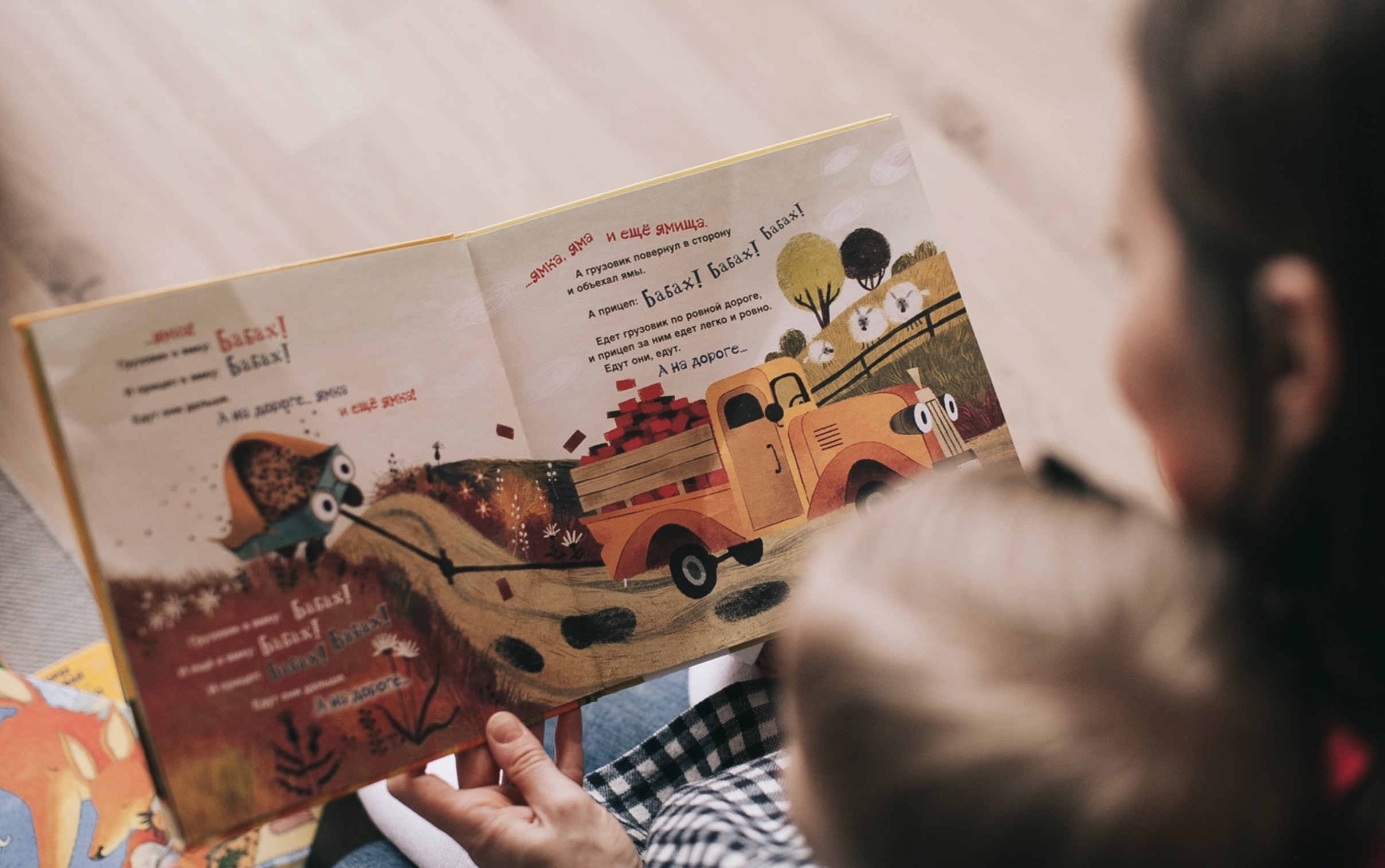
So, as parents, you shouldn’t be forcing the situation. It’s really simple. Just sit down and read with your child. Keep it light and fun, that’s it!

In the words of Nancy Carlsson-Paige, the author of Taking Back Childhood “if we treat books like they are magical, kids will grow up believing that too”. But if we force them to read, they will start having a negative feeling towards books.


  1. Swap a traditional book for an audiobook

Yes. Audiobooks count as reading. And if your children are too energetic to sit down and read a book, this could be a great alternative.

When you listen to a book, you have to remember a lot of things, including the different characters and also the main plot and any subplots throughout the story.

There are a lot of platforms like audible where you can find a great catalogue of children’s books.


  1. Surround your kids by books

Children learn from adults, so teach them good habits by introducing them in their routine. If you have reluctant readers at home, make the effort to exercise the reading habit yourself. If you want to raise a reader, be a reader. Talk to them about the book and show excitement about the story and the characters.


  1. Try to find book-inspired activities to do with your children

Find fun book-inspired activities so they can engagingly experience the book. Dress up as the book characters, go on a bookcation…. Are you reading a book about the beach? Visit the seaside!


  1. Read the book then watch the movie

When you’re finished reading the book, host a family movie night to watch the film version. It’s a great way to make them relate books with entertainment!

Also, they will be looking forward to the next movie night, so they will be more willing to read.


  1. Leave books around the house

Kids will get used to exploring the titles of the books. Stash them around the house in accessible areas for them (even on the floor!). Don’t keep them on shelves, let the kids touch them, carry them around!


  1. Read aloud

Reading aloud gives it the value of a social and educational activity. It also helps children who get easily distracted when reading in silence to engage with the story and the characters.


  1. Ask questions

But keep it casual. Again, we don’t want them to feel that books are homework. Just ask them about the characters, the storyline and the meaning of the book.

Don’t be specific! Let them choose their own answers.


  1. Remind them it’s a treat

Allow them to read in bed, on the couch, at the beach… Remind them that reading is a treat and a privilege.


  1. Start with baby books

You may think books are not necessary until your baby learns at least how to walk, but not so. Every child at every age benefits from the experience of reading stories. Read out loud, use texturised books… It may seem like babies are not listening, but they are absorbing the experience.


  1. Consider a variety of genres

Kids often gravitate towards the fiction shelves in the library, but fiction doesn’t have to be the one for every child. Consider other types such as cookbooks, graphic novels, art books…  Your child might find another genre more appealing than fiction.

Let us know how this goes!

Good luck.

Benefits of Baby Yoga for Mum and Baby

If yoga is beneficial for adults, why wouldn’t it be for the little ones?

Babies can perform yoga poses easier than adults, as they are extremely flexible. They are natural yogis!

Baby Yoga promotes physical and psychological development, for both the infant and the parent. It also helps to aid digestion, relieving those symptoms of colic that make the baby uncomfortable and the adult frustrated and impotent.

These are some of the benefits Baby Yoga can bring to you and your baby.


Bedtime routine

Routines are important for babies as doing the same thing each night signals their brains and bodies to switch to sleep mode.

Baby yoga helps babies improve their sleeping patterns in more regular intervals and for longer times, and it encourages sleep during the hours of the night.


Body awareness

Yoga is a great way of connecting with our body.

In the early stages of development, this is particularly important, as it allows babies to have a better understanding of their body and its movements.


Bonding experience

Another main benefit of baby yoga includes creating a deeper emotional connection between a parent and a baby.

Not only that, they get to spend well-being time together, but when a parent touches and embraces their baby, it prompts parental bonds allowing a baby to develop a sense of comfort with them

It focuses on skin-to-skin contact but breathing exercises and stretches can be also included in the routine.


Body development

Baby Yoga creates a balance between strength and flexibility in developing bodies, so they grow to maintain the elasticity they were born with.

Also, babies that practise yoga are often more advanced when it comes to crawling and walking. By locating his centre of gravity, your baby will be steadier when he starts to walk.


Reduces stress for both babies and parents

The sensation of touch also promotes circulation, which gives both the parent and infant feelings of calm and relaxation. Baby Yoga is great for emotional wellbeing.


Aid in digestion for baby

A baby’s digestion can benefit greatly from Yoga exercises and can help them release wind. It eases colic and the intense crying that comes with digestive problems.

Just a gentle cycling movement of the legs can improve their mood, wellbeing, and everyone’s sleep!


Long-term exercise habits for baby

Yoga helps your baby introduce exercise in their routine as they grow, which will also help them to stay healthy and active in the future.


Social experiences in between babies and parents

The benefits of baby yoga are undeniable and provide a perfect setting for you and your baby to socialise with other babies and parents. It allows them to meet other newborns and start to develop their social skills.

Baby yoga is a perfect practice to enjoy with your little ones and it’s great to provide your child with the benefits of a happier disposition.

Also… Post-natal yoga classes can help mums strengthening their pelvic floor, and it’s great for post-baby body tone-up!


What age should your baby start?

The best time to start is probably after the baby is 6 weeks old, once the baby has better neck control to keep them safe in these practices.


Baby Yoga at Scallywags Nursery

Here at Scallywags nursery, we have a qualified baby yoga coordinator for under 2 years old.

All the stretches are achieved with the guidance of an instructor and with the care and supervisor of parents or carers.

Feel free to contact us for any information or if you want to join.

What Should Parents Ask A New Nursery

Deciding on a nursery for your child can be quite tricky. You need to make sure you leave them in good hands! It’s hard to separate from them during those early years so you need reassurance that you are taking them to a place that is right for them.

Not only for their safety, but you also want the staff to help your children develop their abilities, skills and knowledge.

You might be wondering; how can I make sure of that in the few minutes I get to walk around a nursery and meet the staff?

Well, here is a list of things to check before making such a tough decision.


  1. Experience/qualifications of the staff

For a lot of parents, their choice will depend heavily on the people that will be looking after their child. There seems to be a correlation in between qualified nursery teachers and child outcome so don’t be afraid to enquire about them.

Make sure that there are staff members with a full and relevant Level 3 qualification, and that at least half of the other staff hold a full and relevant level 2. Also, all newly qualified nursery staff will be legally required to take paediatric first aid training.

And while experience and qualifications are really important, so too is people’s work ethic and passion.

It’s important that the nursery encourages the staff to hold a regular CPD (Continuing Professional Development) such as workshops or online training. It enables the teachers to grow their competence in caring for young children and helps to demonstrate their commitment to the role.


  1. Safe recruitment when onboarding staff

The nursery must have a recruitment procedure that will help to identify and eliminate people who may be a welfare threat. Therefore, a nursery must check:

  • Criminal records (DBS). They should also ensure that the person has not been prohibited from teaching
  • References
  • Barred lists
  • Professional qualifications
  • Right to work in the UK

Choose a nursery that not only knows how to deal with accidents but also knows how to prevent them.


  1. Opening hours 

You need to make sure the nursery is suitable for your needs. If the nursery is still closed when you have to leave for work, you might need to keep looking!

This will add unnecessary stress to you and to your little ones. Don’t make it a military operation to fit in around you getting to and from work.

For working parents, knowing the flexible hours of your nursery is vital. Don’t forget to ask for the costs of these extra hours, as they can really increase your bill at the end of the month.


  1. What do the fees include?

Make sure you know what the fees of the new nursery include. You don’t want last-minute surprises!

One nursery might seem cheaper than the other but when you check on the extras such as food, nappies, wipes, creams, baby food… You might end up with a completely different price. Make sure to have the total amount before making any decisions.

Do they offer extra-curricular activities?

Extra-curricular activities are a great way of developing physically and mentally, as they improve their social skills and abilities!


  1. What food do they provide?

If your child is going to eat there, you need to know what they will feed them. A good and healthy diet plan is key for development, so make sure they are providing them with the correct meals. You need to establish if they cater to any dietary/ requirements or religious/cultural needs that your child may have.


  1. Parental Involvement Policy

It’s good to receive some kind of feedback on what your child is getting up to each day! This will also give you the confidence that your little one is being well cared for and happy.

Make sure your nursery values and engages parents into their education. Listening to parents’ views is a great way of finding areas of improvement. Some of them offer online learning journeys where you can check your children’s progress and daily updates.


  1. Health and safety policy

Make sure that they are complying the requirements in the Early Years Foundation Stage (EYFCS). This includes:

  • The premises should be clean, and the nursery should be aware of the health and safety legislation.
  • A health and safety policy should be in place which includes procedures to identify and deal with hazards, accidents and faulty equipment (Fire safety, outdoors, repairs and maintenance, reporting injuries, diseases…)

Basically, you will want to know what they will do if your child gets poorly or has an accident, and how are they preventing that from happening. They should also be aware of whether any of the children in their care has a condition or disease that might need attention (medication, allergies…)


  1. Education approaches of the nursery

Do some research into educational approaches and ask the nursery manager which one/ones they follow.

All nurseries must adhere to the Early Years Statutory Framework (EYSF) which is provided by the department of education.

How do they manage children’s behaviour?

Generally, children of nursery age haven’t yet learnt about discipline. This is why having a behaviour policy is so important. How do they deal with that? Make sure they will be using positive methods like distraction instead of threats or corporal punishment.


  1. Ratios of staff to children 

There are strict guidelines on the ratio of staff to children. Make sure the nursery is following the rules:

  • For under 2 years – one carer to three children
  • 2-3 years – one carer to four children
  • 3-5 years – one carer to eight children

  1. Check the nursery’s Ofsted ranking

The Office for Standards in Education, Children’s Services and Skills (Ofsted) is a department in the UK government reporting to Parliament. This department is responsible for inspecting a range of educational institutions.

Their reports can help you find a lot of nurseries in your area, their ratings and information about age groups, etc. 

By following these steps, you will be able to narrow down a list of possible candidates with accurate and reliable information!

The Importance of Mark Making for Early Years

Children begin their journey towards writing by simply making marks.

Mark Making is more than just a scribble. It is the first step in your child’s journey to writing and important for their development in handwriting, creativity and coordination.


What is Mark Making?

Mark Making simply refers to the different patterns, lines, textures and shapes your child creates.

Typically used to describe the scribbles that early years children make on paper with pens, pencils or crayons, mark-making gives them the opportunity to express themselves and explore new materials.

One of the first signs of mark-making comes when they begin to play with their food or drink, using their palms and fingers to create patterns and swirls.


Physical Development

Mark Making is part of your child’s physical development. Learning to control any mark-making tool such is hard and requires many skills. Children need to develop their whole-body muscles (gross motor skills) to control their upper body and shoulders as well as develop the desire to sit still and concentrate.

As their muscles and control develop, children progress to using crayons, pencils or chalks to make big circular or straight lines. This is often dismissed as scribbles, but it is actually an important step in learning to write and the skills that emerge with practice.

These initial skills can be supported by play through being active and being outside. Hand-eye coordination is also key for writing in order to build up control in their hands and fingers.


Why is Mark Making so important?

Writing

Research has shown that mark making is crucial for a child’s development and learning. It both teaches them how to hold a pen correctly as well as helps to develop their handwriting skills

Creativity

Mark Making can also represent a child’s thoughts and ideas. It gives children the opportunity to express themselves creatively and communicate through their drawings and marks

Brain and Language Development

Giving children the opportunity to explore different mediums of mark-making engages them in sensory play. Sensory Play helps to develop a child’s critical thinking, brain and language development as well as gives them the ability to build towards more complex learning tasks in the future.


How to encourage Mark Making

Start by providing different types of writing tools, crayons, felt tips, pencils, chalks and paints. Don’t worry about buying paper, use materials such as scrap paper, leftover wallpaper rolls and the pavement.

Once your child begins to show interest in writing and begins to acquire the skills, let them watch you write. Model both upper- and lower-case letters so they can see a range of different ‘shapes’ and develop certain writing skills from you.

You can also play sequencing games and puzzles with them to support left to right coordination.

Messy play and Sensory Activities also contribute to early signs of mark-making. Activities such as playdough, baking, cornflour, sand and water are a number of activities that encourage fine motor control and exploration through mark making.

Pen like tools are not necessarily needed, as you can use objects such as lollipop sticks, playdough tools, kitchen utensils etc to experiment with.


Patience

It’s helpful to remember that learning to write takes a few years – patience and support are needed over time.

Children who are corrected too often or asked to write ‘properly’ may lose interest. Alternatively, those who enjoy the mark-making process and ‘writing’ are naturally praised and so progress quicker.

Let them go at their own pace.

Some children display the necessary motor skills for writing at around 4 years old but bear in mind all children develop different skills at different times. Make sure your early years setting encourages your child’s individuality and be sure to support their interest and abilities.


Good Luck.