Teething: The complete guide

Teething, whilst it can be painful for your baby and worrying for you, it is a key stage in every child’s life. We’ve put together Your Complete Guide to Teething, including symptoms, soothers and aftercare.

When does Teething happen?
Your baby’s first teeth start to develop in the womb. Usually, teeth begin to grow during your baby’s first year, but some babies are born with their first teeth and others don’t see any growth until after 12 months. Every child is different and there is no time frame to when they will get their first tooth, however by the 18 months – 3 years, your baby will more than likely have a full set of teeth.

What happens exactly?
If you’re experiencing teething, you probably know that your baby is currently very uncomfortable. This is because teething makes the gums swell and tender to touch. You may also see their gum split slightly to make way for the emerging tooth.

Sometimes teething can occur with no discomfort at all, however, there are a few symptoms you can look out for; your baby’s gum is sore and red, one cheek is flushed, more dribble than usual, they are rubbing their ear, they are chewing on a lot more things.

How you can help

Teething can, understandably, make your baby super grumpy, which can be tough on you too. Whilst you can’t take their pain away completely, there are ways to make the process easier for them.

Teething Rings
When your baby is teething they’re more likely to try and chew everything they can get their hands on. Teething rings give your baby something to chew safely whilst distracting them from any pain. Some teething rings can be cooled in the fridge first which may also help to soothe their gums.

Amber Teething Necklaces / Bracelets
According to advocates, Baltic amber contains a ‘natural painkiller’ called succinic acid. When a baby wears the necklace, their body heat then releases the chemical from the gemstone and it gets absorbed into the skin, thereby easing the pain.

Whilst there is no scientific evidence that amber necklaces work, we have many parents who swear by the technique for helping to teethe. If you plan to use the Amber Teething technique, please follow safety instructions carefully.

Food

If your baby is chewing and 6 months or older, you can give them snacks to chew on such as raw fruit and vegetables, or even try breadsticks. Try to avoid any foods that contain lots of sugar, as this can cause tooth decay, even if they only have a few teeth.

Teething Granules / Teething Powder

A homoeopathic remedy specifically designed for the soothing and calming relief of teething symptoms. Just shake the powder into your baby’s mouth to help to soothe their gums. Teething Powders are not recommended for us in babies under 3 months.

We usually use Teething Powders in nursery before we turn to using medicines.

Teething Gels

There is a lack of evidence that teething gels are effective, and we recommend trying non-medical options first. If you do decide to use a teething gel, make sure it is one specially designed for young children.

Paracetamol and Ibuprofen

Not just for your headache from lack of sleep, if your baby is in pain, you may want to give them a sugar-free painkilling medicine. Paracetamol or Ibuprofen can be given to relieve teething symptoms in babies and young children from 3 months or older.

Always follow instructions and speak to your GP or pharmacist first.

Comfort
Sometimes, there’s nothing like a cuddle to distract your baby from the pain. Try to divert their attention from the pain by holding them or playing with them.

Preventing Rashes
Babies tend to dribble a lot more when they are teething, some dribble almost constantly, soaking their clothes. Make sure you’re gently wiping the moisture off your baby’s chin as often as you can with a soft cotton cloth, be careful not to rub the chin as it may be sore and irritable for your baby. You could also rub some barrier cream such as petroleum jelly on their chin to protect their skin from further irritation.

Don’t forget, every baby is different, so you may have to try a few different things until you find something that works for you.

With all methods, especially medicines, please read and follow instructions carefully and consult a doctor or pharmacist before use.

Caring for your baby’s teeth
As soon as your baby’s teeth begin to grow, you need to start caring for them. You should brush your children’s teeth at least twice a day.

At first, it may be easier to clean their teeth with a piece of clean cloth or gauze wrapped around your finger, but as more teeth come through you will need to buy a toothbrush. There are toothbrushes specifically designed for young children with small heads and soft bristles. The toothbrush should be changed every three months or when the bristles begin to splay.

When it comes to toothpaste, you will need to choose one that is suitable for children as adult toothpaste contain too much fluoride. It is also a good idea to get your children used to visiting the dentist at an early age.
Potty Training, your quick guide

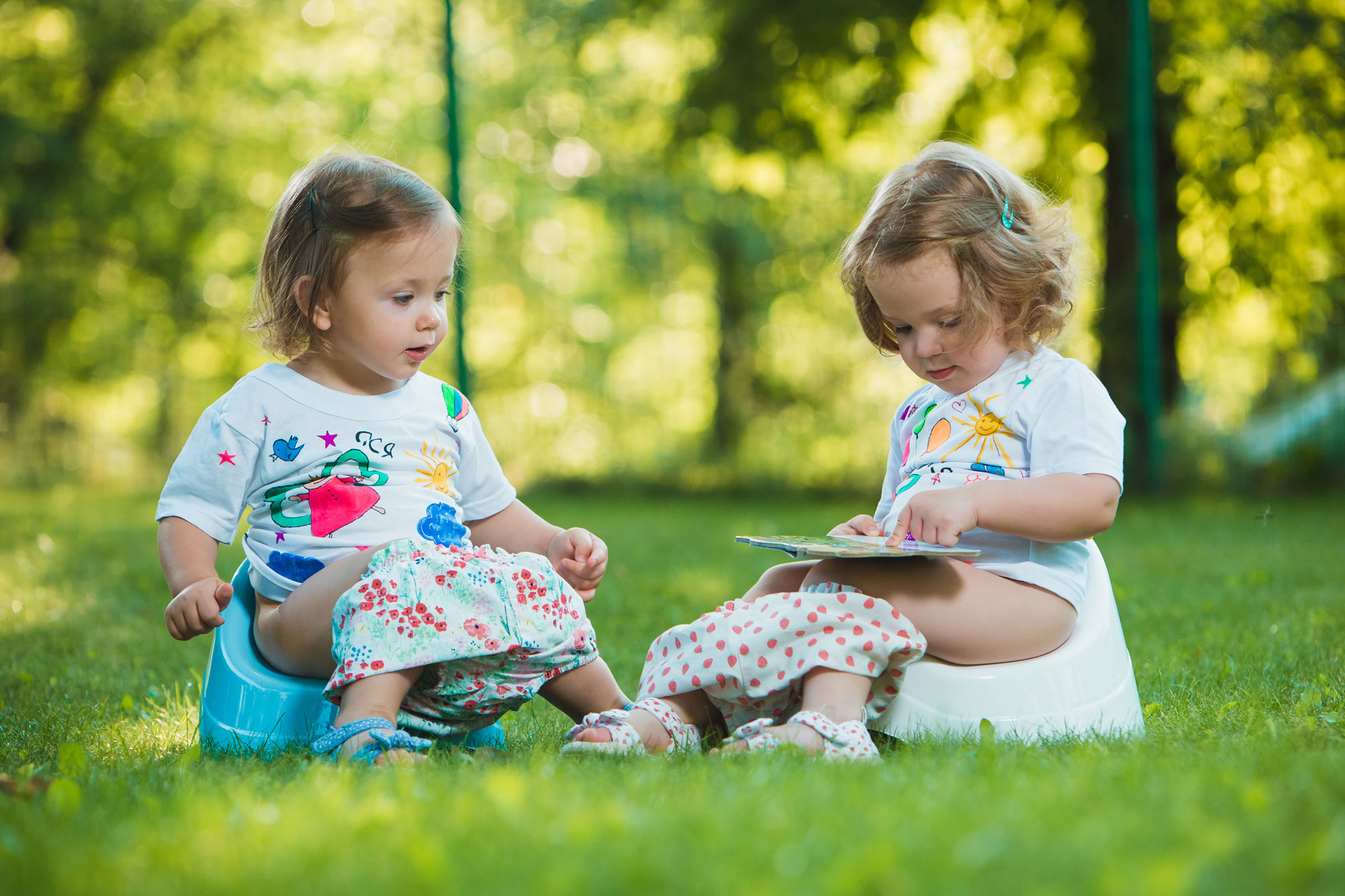
Toilet Training. Potty Training. Poo Time. Whatever you refer to it as, it can be stressful, smelly and at times, messy. Very messy.
There are no set rules when it comes to potty training, but it’s important to recognise the signs and have a plan in place for when the time comes.

It’s Time
Most children start working on using the toilet between 18 months and 3 years. However, it can be hard to know when exactly the perfect time for your child is to start. We often recommend looking out for the following five signs to make the process easier and reduce the risk of accidents

  • Your child has dry nappies for at least 1 or 2 hours at a time
  •  They recognise that they are having a ‘wee’ and may often tell you
  • Fidgeting or going somewhere quiet or hidden to do their business
  • They know they have a dirty nappy, may ask you to change it, take it off themselves or start pulling at it
  • They know when they need a wee and may tell you beforehand

Preparation
The first thing to think about is if you want to train using a potty, toilet or both. Whilst the toilet may be easier for you, a potty is mobile and may be less scary for your child.

Next, make sure you have all of the equipment to start the process. Does your child need a step for when they’re using the toilet? You may also want to invest in a training seat that fits securely to your toilet.

Teach your child some words for going to the toilet like ‘wee wee’ ‘poop’ or ‘I need to go’.
You could also make the word fun or discrete, so they don’t get embarrassed to let you know when you’re out in public or if you have visitors.

Tip: Plan toilet training for when you don’t have any big changes or events happening. To reduce any accidents, try to avoid overlapping training with going on holiday, starting school, having a new baby or moving to a new house.

Let the Potty Training Commence
Timing
By this point, you more than likely have an idea of when your child carries out their ‘business’. At these points, sit your child on the potty or toilet so they become familiar with the process. This may not work for all children, if they spend 3-5 minutes on the toilet without action, take them off. Having them sit on the toilet can make them feel like they’re being punished.

Look out for signs your child needs the toilet, including changes in posture, passing wind or moving to a different room on their own.
Encouragement

The process of potty training can be slow but it’s important to praise your child for both trying and succeeding in the process. Gradually reduce the amount of praise as your child masters each part of the process to the point where going to the toilet comes naturally to them.

Make sure your child knows it’s okay to tell you when they need to go. At different stages throughout the day ask them if they need the toilet.
This process can be messy. If they miss the toilet, don’t see it as a setback. Accidents are just that and it’s important to keep the process a positive one.

Pants and Clothing
Stop using nappies during the day, stick to using them when they’re sleeping. Start using training pants or regular underpants all of the time. You can even make the process more exciting by letting them choose their own.

Dress your child in clothes that are easy to take off. We’ve all been in the situation of trying to get a jumpsuit off when using the toilet, imagine what that could be like for someone who hasn’t mastered toilet training yet!

Hygiene
Wipe your child’s bottom until your child learns how to do it them self.
Remember, front to back.

Teach your son to ‘shake’ after a wee to get rid of any drops.
TIP: Early in toilet training, it sometimes helps to float a ping pong ball in the toilet for him to aim at.

Teach your child how to wash their hands after using the toilet. Make it fun with foam soap in a bottle with their favourite character.

Out and about
You’re going to have to face leaving the house whilst potty training at some point. Wherever you go, make sure you know where the nearest toilets are.

It’s best to take a spare pair of underpants and clothes for when you go out until they’re confident using the toilet. Don’t forget a plastic bag for any wet or soiled clothes.

If your child goes somewhere without you, like daycare or to a relative’s house, let them know you’re potty training and the process you have put in place.

TIP: A portable potty and waterproof mat for the car seat comes in handy when you’re out and about.

Accidents
Toilet Training is the one thing we want our children to pick up quickly and easily, but the truth is, it can take time and accidents are part of the process.
If your child gets upset about an accident, make sure they know it doesn’t matter, and there’s always going to be another chance to get it right.

Toilet Training Pack
At Scallywags we provide the complete toilet training pack, filled with all of the necessities you need to assist you in the potty-training process.

Contents include: toilet training children’s storybook, portable potty, reward charts, stickers, toilet training guidance for Parents, ‘Pop In’ car seat protector and toilet training seat.

Our packs are ideal for starting the potty-training process and are available to borrow from our Sheffield Nursery.

Good Luck.

Outside Play – Scallywags Nursery and Pre-School

Outside Play

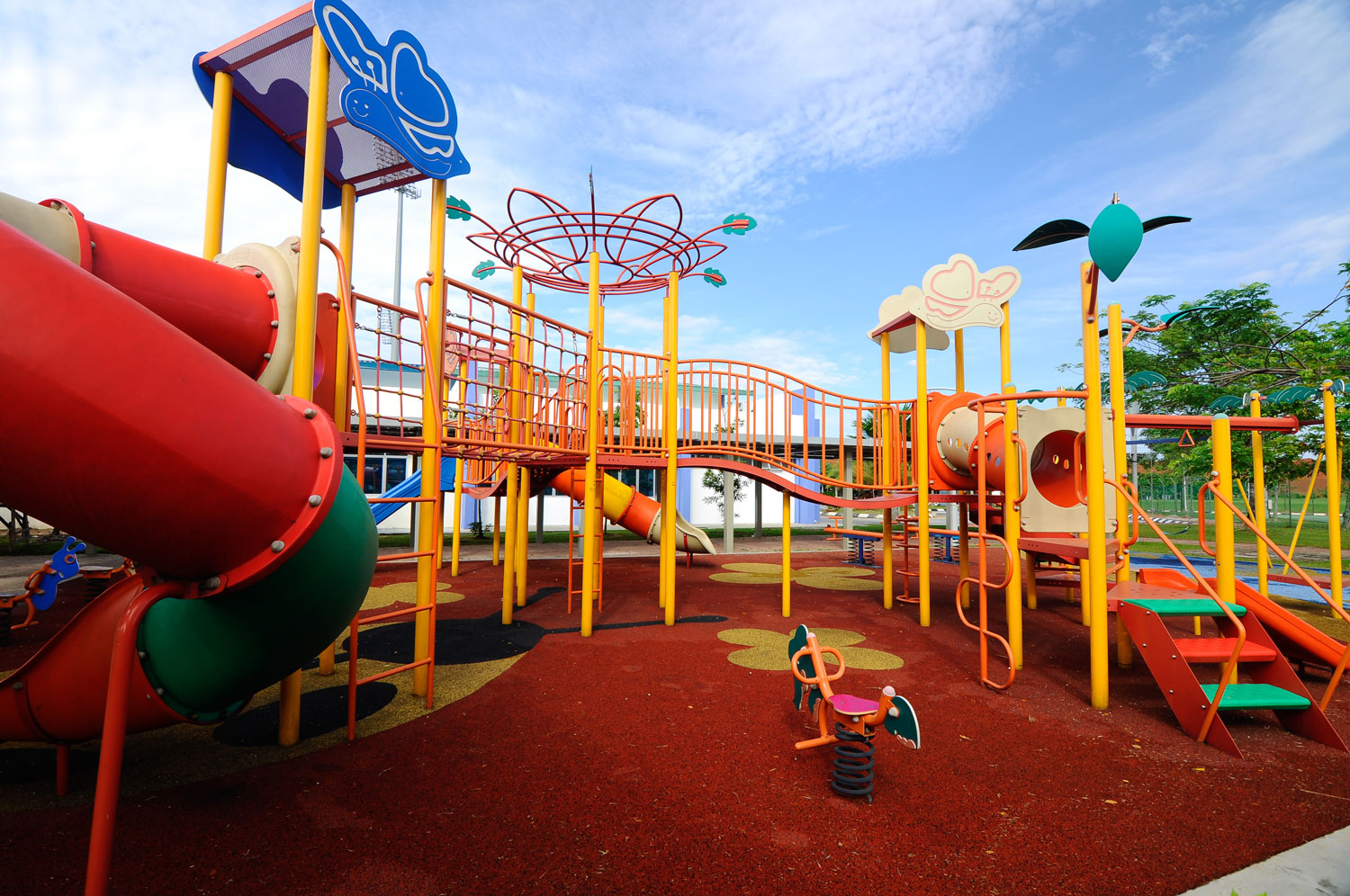
Kids just want to have fun, and outside play offers that in spadefuls (literally when you have a sandpit). They love to emulate and copy the big people. Activities range from building things, play fighting, hide and seek, water fights, games and sports – they all appeal to their natural learning and exploration instincts.

With no conscious effort; children will develop their …

  • muscle strength
  • control
  • dexterity
  • motor skills
  • and hand-eye coordination.

Muscles need plenty of physical activity and good nutrition to grow healthily. Anyone who has chased after a 3-year-old will understand only too well how much energy they have to burn.

It’s full on … then they drop; sleep; and then off they go again – relentless.

Children benefit most; when you offer them a wide variety of activities. Each activity will develop different muscle sets and challenge the mind too. The combination of running, swimming, swinging, jumping, skating, bike riding plus plenty of fresh air and sunshine (and of course sunscreen) will give your child an amazing environment; leading to a healthier; happier and able little person.

They will also sleep MUCH better when their energy has been left in the garden.

Please make sure that you dress your child appropriately; that matches the weather. The number of children I see in stores in winter that are dressed for a polar experience; yet they are in hot shops – it’s not too surprising that you end up with an unhappy; screaming toddler.

Children thrive on physical challenges. It develops their confidence and persistence. They don’t yet understand the fear of failure. if they did; they would never walk or ride a bike.

Riding bikes and walking relies on the process of failing, learning, adapting, persistence – simply: trying again, and again, and again – until they succeed.

An adult would have given up long before. Riding bikes need encouragement; courage and persistence. Confidence is earned; by not giving in to the fear of failure. Fortunately; your child does not yet know what fear of failure is – they learn it from adults.

A swing provides so many development opportunities – how to hold on, balance, timing, coordination, rhythm and cause and effect. A swing also develops the child’s spatial awareness; get too close to the swing and you will get a boot up the backside.

Outside play allows children to fall over, get up and to try again; a skill which is so invaluable in later life. Small children need to start small and grow their confidence.

Who would have thought all of these benefits arise from simply … Playing Outside.

The secret to outside play is excitement and fun. The toys we provide – bikes, swings, slides, paddling pools, balancing wood, rubber tyres, skates – all deliver the adventure children seek.