What is Imaginative Play and how to encourage it?

From the moment they are born, children are experiencing all kinds of situations that life throws at them. This is a lot of information for them to process and they have to find a way to absorb it and learn how to understand it. This is where imaginative play comes in.

What exactly is Imaginative Play?
In short, Imaginative Play allows children to use role play to act out a situation they have experienced, watched or something they have gained an interest in.

Children can pick up social skills and learn how to interact with people, through the way they talk, listen, use expression and body language. They can also learn how to problem solve. Imaginative Play encourages emotional development and helps them to understand and express the way they are feeling whilst also discovering how to handle strong emotions such as anger or sadness. Most importantly, Imaginative Play allows them to have fun and unwind from everything else whilst still learning.

How exactly do we as parents encourage Imaginative Play?

Provide an area dedicated to imaginative play
Having a place in the house or garden that is dedicated to role play helps them to imagine whatever situation they would like to act out that day. This could be under a table, in a wardrobe, on the sofa under a sheet or even a corner of the house where they have everything.

By having this dedicated area, you are enabling them to let their imagination run free because they know they can adapt the space to their hearts content.


Props and Toys
This can vary for every child, some may just like something as a simple as a cardboard box and create hours of fun by turning it into a car, a house and everything in between. Whereas some children may prefer something more specific.

This doesn’t mean you have to spend on multiple sets of items, a lot of the time children will be satisfied by things you have at home and you can encourage them to use those props as substitutes for others. This helps to expand the range of situations they can create and broaden their imagination.


Dress up Box
On top of having multiple props and toys for children to access and use, a dress up box can become an essential part of them recreating experiences or trying something new.

Having a selection of different outfits allows them to really become the character that they desire to be. They also can spark imagination because one dress could be used in countless imaginative stories.

Someone to play with
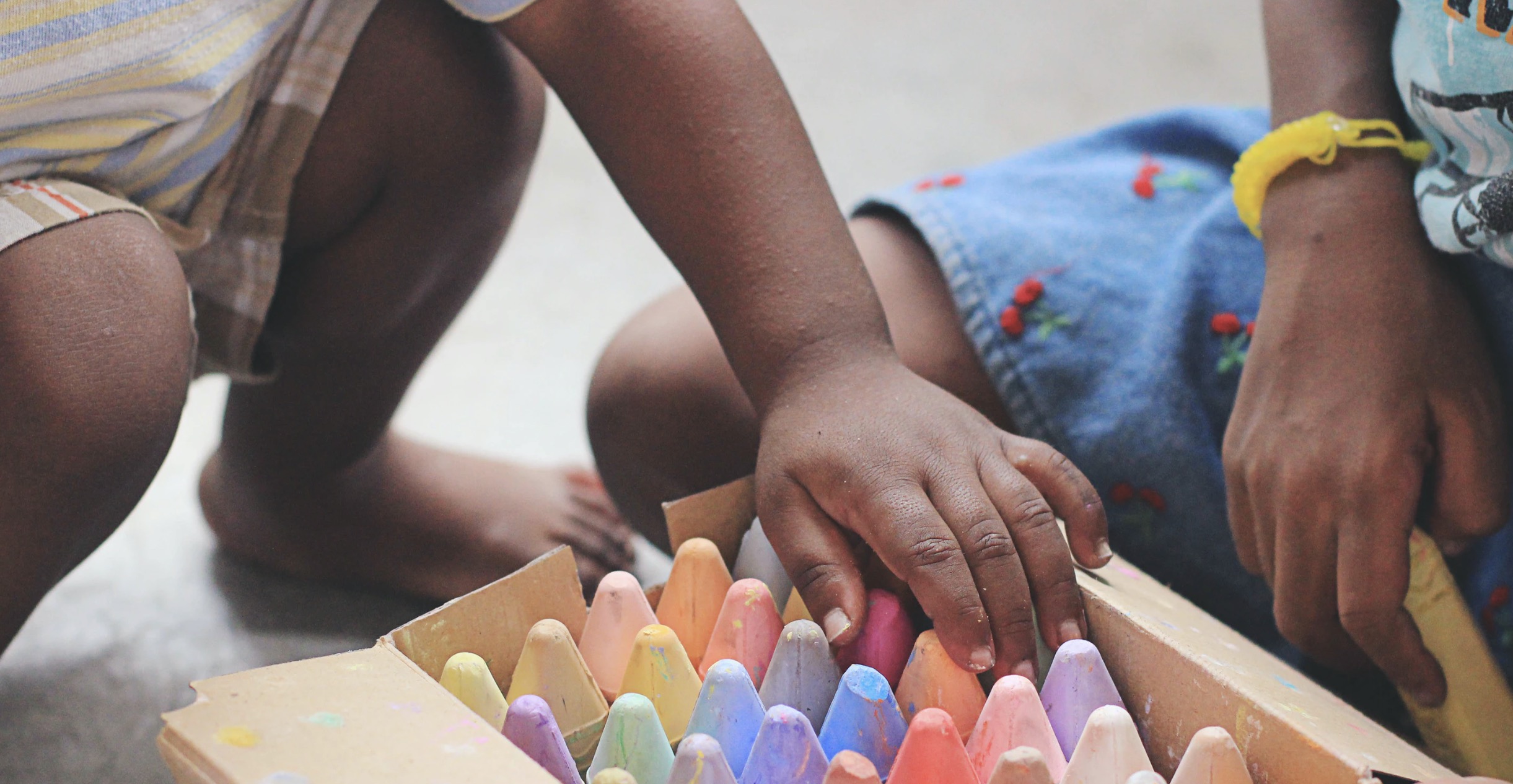
Children enjoy Imaginative Play more if they have someone else to do it with. Whether it be a sibling or a friend, they can really recreate a variety of experiences if they aren’t alone and take it turns to choose what happens in each situation.

It’s important to remember as a parent you should also spend time helping your child with imaginative play. If they try to involve you play along, give them a chance to be in charge.


Provide Experiences
Most of the scenario’s children use when doing imaginative play are ones they have witnessed or heard about as it adds the level of reality to their imagination.
Ensure they have these experiences to act upon. This could include reading stories together which would help both their creative and academic development. Or take them for days out to the zoo for example, which will help to use their different senses.

Keeping the Kids entertained during Coronavirus

If you’re finding crayons in places you never thought you would or you’ve seen Frozen that many times you now know all of the words, we’ve put together some inspiration for activities to keep the kids entertained during the Coronavirus outbreak.


Keep Moving

Whether it’s getting their hat and coat on (because of course it’s April and it’s still cold) and playing outside or starting the morning with Joe Wicks P.E lessons, try keeping your kids energised and moving.

Going on family walks is a great way to get you out of the house too, and you could liven them up by seeing how many birds you can spot or taking a piece of paper and crayons to do bark or leaf rubbings.


Cooking / Baking

Family mealtimes just got fun for the kids, have them help with food prep or adding ingredients to pans or even get them involved with some baking!

If you’re struggling with meal ideas or your pantry is feeling a little dry on ingredients, try downloading the app Supercook. All you have to do is enter the ingredients you have, for either baking or cooking, and it gives you a range of recipes for you to try

Added Bonus – Try setting up your own café. Have the kids make menus, put on an apron and take your order for snacks and drinks!


Virtual Play Dates

Facetime or Skype Call with your children’s friends – most children don’t like to chat on demand so perhaps arrange a fun activity they can all do together on the hang-out


Hunt for Treasure

Make up riddles and clues and hide treasure around the house as an activity for them. The treasure could be their favourite sweet treat or a new game to play!


Join a Live story time

Oliver Jeffers hosts a stay at home story time every weeknight over on his Instagram.

If you’ve exhausted your best character voices, he’s your man!


Write a letter to the Grandparents

Encourage the kids to write a letter to their grandparents as a way of staying in touch – it’s also a good way of encouraging them to practice their handwriting and spelling too!

Then you can have them read it over the phone or post it to them as a nice surprise.

If your child can’t write yet and you have the means to post a letter, why not have them draw a picture to send to them instead!


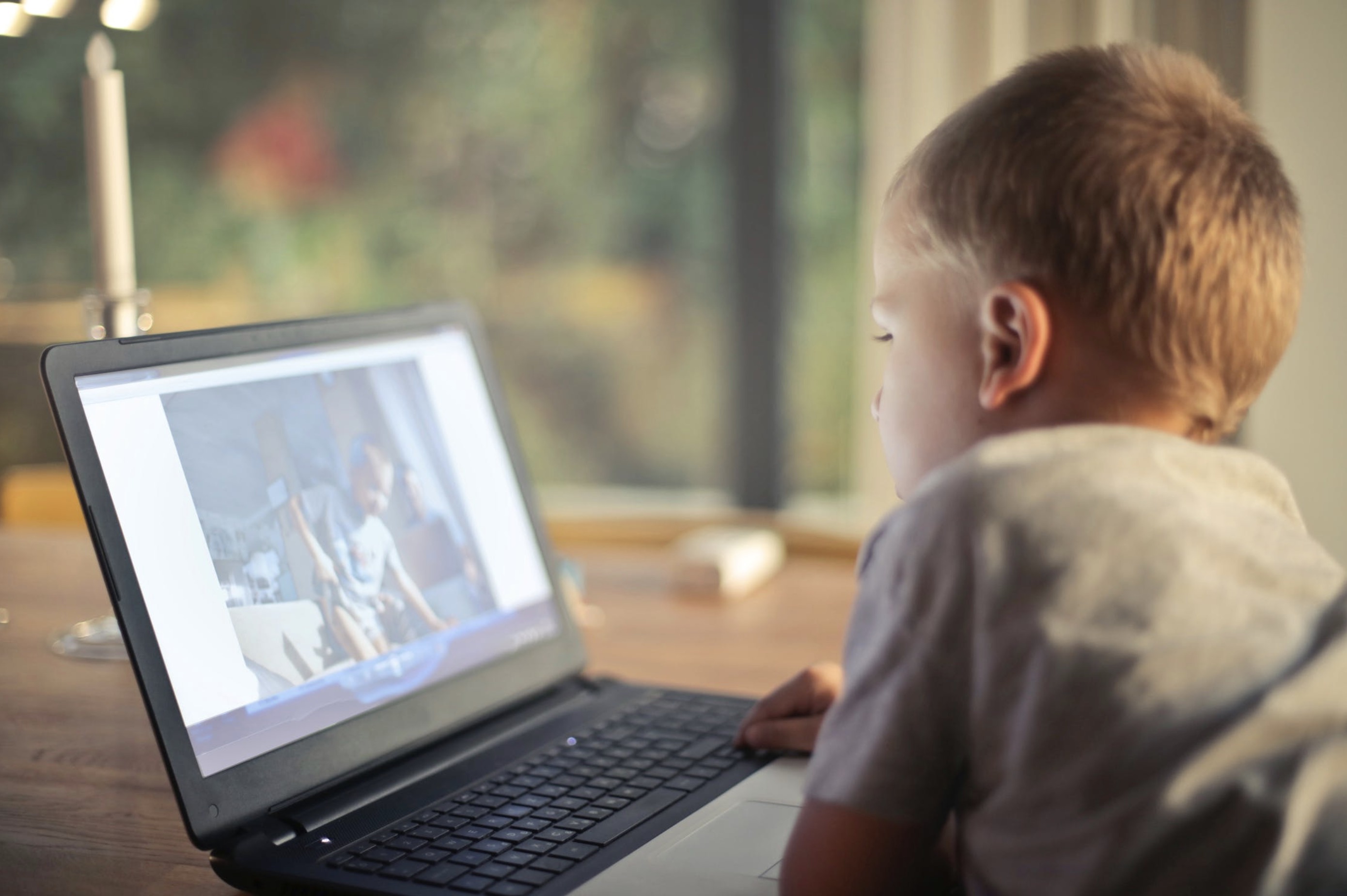
We understand peeling them away from their screens could be difficult, so try offering to join in with the above activities. We hope this is all over soon, but at least we have one good thing come out of this all, quality family time spent together!

Online Safety for Children

In today’s digital world, children are being exposed to the internet from a younger age than ever before. From toys that connect to the internet to games on tablets, young children are getting online. Apps, games and search engines are easily accessible to children who go online to play, connect with friends, make new ones and socialise. The internet allows for children to find out information quickly and easily, but it also comes with its dangers. Innocent searches can bring up not so innocent results. However, there are lots of things you can do to keep your children shielded and prevent them finding upsetting or inappropriate sites online, as well as educating them on how to be safe when using the internet.


Set Parental Controls

On most devices, apps and websites, parental controls can be easily set. Software and tools can be downloaded to help prevent your children accessing sites they shouldn’t and downloading apps that aren’t age appropriate. Safe search settings can also be activated on search engines and easily removed if needed.

Parental controls allow you to block and filter content that your children can see, whilst also monitoring how long your children can stay online, enabling you to set specific times they can access the internet. Whether younger children or 12-year olds, parental controls can be set differently for different members of the family. Family-friendly WIFI is also available to set up, as well as kids accounts on many popular apps and streaming services.


Talk to Your Child

With older children, one of the best things to do is talk to them about online safety. Topics could include:

  • Setting boundaries and agreeing on what’s appropriate
  • Going through a list of the websites / apps they use and ask what they find appropriate
  • Even if their friends use an app you’re not sure of, discuss and tell them why you don’t want them using it
  • Ask about things they might have seen that made them uncomfortable, what and why?
  • Discuss online bullying and trolling and how it not only affects children, but adults too
  • Show your child how to block and report people online to remove bad content
  • Encourage your child to come and talk to you if they see anything that upsets or confuses them

Privacy Settings

A big issue with child online safety is privacy, and how to keep their details private. Even Internet Toys with voice recognition and home devices connected to the internet can gather the vocal information of even a very young child. Internet Toys have no safeguards or security standards, so it is always important to read manuals thoroughly to help make them the safest they can be.
With older children, teaching them how to keep their personal details safe and knowing what’s okay and what isn’t to share online is important. A lot of children use the internet to connect with friends and make new ones, however this isn’t without its dangers. Teaching children to always be careful when talking to strangers online and not revealing too much information about themselves, along with ensuring they never meet someone in person without coming to you first, can help protect your child from some of the darker parts of the internet.


5 Ways to Keep Gaming Safe

With children of school age, online gaming is one of the most popular hobbies of the age group. Online gaming is a common way children (especially boys) socialise. However, gaming can have some very detrimental side effects. Below are 5 ways to keep your child safe whilst gaming online:

  • Check the content and age rating of the game to ensure it’s appropriate
  • Make sure your child knows how to block and report other gamers if necessary
  • Ensure no personal information can be viewed by other users
  • Check the games safety and privacy settings before letting your child play
  • Limit the amount of time your child can play – video games can be addictive, especially to young children who could be easily influenced by the violent nature of some games

As technology continues to develop, children will use the internet more often and from a younger age. The dangers will always be there, but there is a lot you can do to ensure your children gain the most of the internet and use it in a safe and secure way.

Buying Your Baby’s First Shoes

Buying your baby’s first shoes is an important milestone in their growth. From the ages of around 9 – 18 months, baby’s start to learn to walk. Little feet need proper support and shoes made out of good quality materials to ensure they are continuing to develop in a safe way. Learn here how to get the most out of your baby’s first shoes, to soon have your child running all over the place.


The Right Type

Don’t rush into buying shoes for your baby too soon. Before they start to walk, children first learn to crawl or ‘cruise’, moving around holding on to furniture etc. At this stage, proper shoes aren’t necessary, but to protect delicate feet, investing in a pair of pre-walkers is a good idea. These shoes are lightweight, with a thin flexible sole that will keep little feet safe from injury but will still allow children to develop their walking skills, such as keeping themselves balanced.
Once your toddler is walking unaided, they need more support and first walker shoes are the next best step.


The Right Fit

Getting the correct fit for your child’s first shoes is very important – we all know the pain of wearing shoes that rub. Due to nerve endings that aren’t fully developed, toddlers might not be able to feel if shoes don’t fit properly or communicate that they are hurting. The best shoes to go for are ones with flexible soles and a breathable fabric, such as soft leather. The right material will mould to your child’s feet, shaping to a unique footprint and ensuring they allow room for bones to grow.

It is a good idea to go shoe shopping in the afternoon, as children’s feet swell throughout the day after they have been using them for a couple of hours. Children’s feet grow quickly, so have your child’s feet measured every 6 – 8 weeks.


Which Fastener?

With lots of fasteners to choose from, it is best to go for a type that is quick and easy to secure. Velcro or buckles are quick and easy to fasten, and don’t have a trip hazard like long laces might. Laces are better suited to older children, but if your toddler likes to kick their shoes off, laces are more secure. Try out different types and see what works best for you and your child.


Issues

As toddler’s feet change quickly, it is important to regularly check that their shoes still fit. Press down on the front of their shoes and see how much space there is between their big toe and the front of the shoe. It is recommended that there should be a half an inch gap. Look out for bad posture or nail problems which mean it is time for your child to move up a size. Up until the age of four, your child’s feet can grow up to two sizes per year, slowing down to one size before they start school.

Buying your baby’s first shoes is an exciting stage in your child’s development, so have fun choosing the right fit, style, size and colour and enjoy the time with your active toddler!

For more information on buying your baby’s first shoes or for any other queries, contact us on 0114 258 2283 or visit or Facebook page.

Cooking and Baking with Children

Both an activity perfect for a rainy weekend and to help aid children’s development, cooking and baking with your children is full of benefits. Cooking can help develop your child’s maths and coordination skills, whilst also encouraging adventurous eating. By giving your children an active role in choosing what to make, preparing and cooking simple meals, you introduce them to new ingredients and a wider variety of food. By cooking with your children, they can explore unknown tastes, smells and textures, widening their pallet to stop the development of picky eaters!

Preparation

There’s no denying the fact that cooking with little ones is going to be messy! Before you open your kitchen to mayhem, get organised.

  • It’s a good idea to cover up everything – tables, clothes, recipe books – perhaps in old newspapers or plastic that is easy to wipe down and clear up.
  • Use large mixing bowls to prevent ingredients spilling over.
  • Give yourself double the time needed to make your food / cakes.
  • Get plastic knives and safety scissors so your children can join in safely with activities such as cutting pastry or soft ingredients.

Get Children Involved

While cooking, talk to your children about the ingredients you are using. Talk about where the ingredients are from, what they do and what the recipe might turn out like. The more familiar with the ingredients and the more involved with the process children are, the more likely they are to eat what they are helping to make. As well as learning about ingredients, lots of other learning can come from cooking. Maths skills can be improved through cooking, from reading the numbers in the recipe and on the scales. It can also start to give your children a grasp of weight and measurements, and if baking, decorating cakes can increase coordination and creativity.

Cooking and baking with children can also help them learn about kitchen safety, such as not to touch hot hobs or ovens, and introducing them how to prepare food in a safe and sanitary way. With older children, allow them to get things out of the oven, giving them a responsibility whilst showing them the importance of items such as oven gloves.

Some Ideas

When cooking or baking with children, it’s a good idea to go for recipes that aren’t too complicated or time consuming. When cooking why not try:

  • Fajitas – these are quick and easy to make, and once all ingredients are prepared, let your children make their own, putting their own choices into a wrap.
  • Make your own pizza – the healthy alternative to buying one from the shop. Why not try letting your little ones add their own toppings, getting them involved with the process, or make a base out of wholemeal flour.

Baking ideas:

  • Fairy Cakes – simple cupcakes that are quick and easy and are fun to decorate, allowing your children can get creative.
  • Cornflake Cakes
  • Gingerbread Men – easy to make and decorate, increasing children’s coordination.

For more information contact us on 0114 258 2283 or visit our Facebook page.